
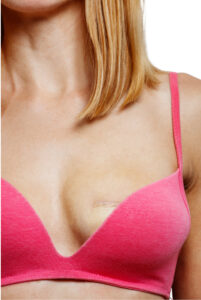
 Recovering from breast surgery is a significant and often complex journey. Beyond the initial procedure, you may face unexpected challenges—such as fluid build-up (like lymphoedema), discomfort around scars, or a sense of tightness in the chest or underarm. These issues can slow down your recovery and impact your quality of life.
The good news? With the right support, including osteopathic care, these post-surgical symptoms can often be managed more effectively. Osteopathy offers a gentle, hands-on approach that can help ease pain, restore mobility, and support overall healing
As your body heals after surgery, you may face a few common challenges:
Post-Mastectomy Pain Syndrome (PMPS):
PMPS can cause persistent pain or tingling in the chest or arm, often lasting for months. It’s a frustrating condition, but relief is possible.
Osteopathy addresses nerve pain by focusing on soft tissue restrictions caused by scar tissue.
Techniques like myofascial release help free up tissue around the nerves, reducing pain and restoring movement.
Seromas:
These are a build-up of fluid under the skin, usually appearing within a week after surgery. Many seromas are absorbed naturally; some may linger and require medical intervention. Osteopathic treatment gently works on the tissues around the surgical area to enhance lymphatic flow and aid in fluid absorption
Capsular Contracture:
If you’ve had reconstructive surgery you might experience tight scar tissue around implants causing discomfort or shape changes. Gentle work on scar tissue can soften tight areas around implants and improve comfort.
Axillary Web Syndrome (AWS):
Sometimes referred to as “Cording” involves tight bands of tissue extending from the armpit down the arm, which can limit movement and cause pain.
Osteopathy focuses on gently breaking down these tight bands, restoring your arm’s mobility and easing everyday
Lymphedema:
While osteopathy is effective for many post-surgical issues, lymphedema— swelling from lymph fluid build-up—requires specialized treatment. Working with a lymphedema therapist, your care might include manual lymphatic drainage, compression garments, and exercises to reduce swelling. Osteopathy can complement these treatments by addressing tissue restrictions that might affect fluid movement, but it’s important to combine therapies for the best results.
Being aware of these issues helps you take charge of your recovery—where osteopathy can play an important role.
Book a Women’s Health Appointment with Sarah & find out more.