How osteopathy can help shoulder pain
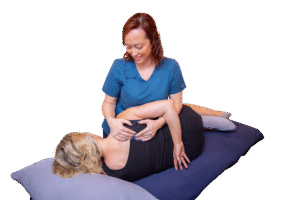
Osteopathy focuses on improving how the body moves and functions as a whole, rather than treating the shoulder in isolation.
Treatment may include:
- Gentle joint mobilisation to improve shoulder movement
- Soft tissue techniques to reduce muscle tension
- Release work for the neck, upper back, and chest
- Postural assessment and correction strategies
- Guidance on movement habits and load management
- Personalised rehabilitation exercises to restore strength and mobility
The aim is to reduce pain, improve function, and help prevent symptoms from returning.
Shoulder pain and posture
Modern lifestyle factors can play a major role in shoulder pain. Long periods of sitting, screen use, and reduced upper back mobility can place extra strain on the shoulder complex.
Common postural contributors include:
- Rounded shoulders
- Forward head posture
- Tight chest muscles
- Weak upper back stabilisers
- Reduced shoulder blade control
Addressing these patterns is often key to long-term improvement.
When to seek treatment
You should consider an assessment if:
- Shoulder pain is limiting daily activities
- Symptoms are not improving after a few days or weeks
- You have reduced movement or stiffness
- Pain is disturbing your sleep
- You’ve had a recent injury or strain
- Symptoms are recurring or getting worse over time
Early assessment can help prevent long-term stiffness and compensatory movement patterns.
What to expect at your appointment
Your first appointment will involve a detailed discussion about your symptoms, medical history, and lifestyle factors. A physical assessment will then be carried out to understand how your shoulder and surrounding areas are functioning.
You’ll receive a clear explanation of what may be contributing to your pain, along with a tailored treatment plan. If appropriate, treatment may begin during the first session.
Supporting recovery at home
Alongside treatment, simple changes can make a significant difference to recovery, such as:
- Gentle shoulder mobility exercises
- Postural awareness during desk work
- Avoiding prolonged immobility
- Gradual return to activity after strain
- Ergonomic adjustments at work or home
These recommendations are always personalised to your condition.