How osteopathy can help
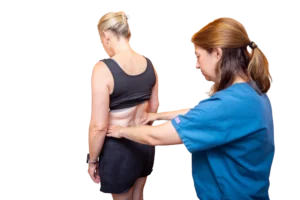
Osteopathy focuses on how the body moves as a whole. Following a detailed assessment of your posture, movement patterns, and musculoskeletal function, we use hands-on treatment tailored to your presentation.
Treatment may include gentle joint mobilisation, soft tissue techniques, and stretching to help reduce tension and improve mobility. We also look at how different areas of the body are working together, rather than focusing on one isolated region.
Where appropriate, we may also provide advice and exercises to support movement habits, improve comfort during daily activities, and reduce strain associated with prolonged positions.
What to expect
Your initial appointment will include a full case history and physical assessment. This helps us understand your symptoms, daily routines, and any contributing factors.
From this, we will create a treatment plan based on your individual needs and goals, with a focus on improving movement, comfort, and overall function.
When to seek help
If discomfort linked to posture or daily activity is affecting your quality of life or not improving over time, an assessment can help identify contributing factors and guide appropriate care.